Which of the Following Best Describes Graft Versus Host Disease
There are two forms of GvHD. Chronic graft versus host disease cGvHD.

Acute Graft Versus Host Disease From The Bench To The Bedside Semantic Scholar
Donor T cells which attack recipient cells क Donor antibodies which attack recipient neutrophils Donor T cells which attack donor cells Donor T cells which attack recipient neutrophils Donor.

. Cutaneous manifestations are the earliest and most common presentation of the disease. However GVDH remains a major complication up to 90 following allogeneic bone marrow transplantation from unrelated or mismatched donors. Theres always some GVHD.
Graft vs Host Disease. Immune cells in transplanted bone marrow attack the cells of the host. Hemolytic disease of the newborn can result from an.
Which of the following best describes graft-versus-host disease. Graft-versus-host disease or GVHD is a term used to describe a battle between the transplanted stem cells and the patients body. Immune cells on transplanted bone marrow attack the cells of the host.
The likelihood of each correlates with the degree of genetic disparity between donor and recipient. Notably graft rejection is associated with immune reactivity against relocated organs. The diagnosis was established by HLA typing and STR analysis of the patient and her family.
This article describes the pathophysiology clinical presentation diagnosis and treatment options available for acute and chronic GVHD. Immune cells attack transplanted tissue in a privileged site. Graft rejection and graft-versus-host disease.
Graft refers to transplanted or donated tissue and host refers to the tissues of the recipient. GVHD is rare in autologous transplants stem cells come from own blood or bone marrow it occurs. Immune cells attack transplanted tissue in a privileged site.
In GvHD the donated bone marrow or peripheral blood stem cells view the recipients body as foreign and the donated cellsbone marrow attack the body. This case report describes an immunocompetent lady who developed transfusion associated graft versus host disease following transfusion from a close relative. The Global Graft Versus Host Disease Treatment Market size was estimated at USD 142178 million in 2020 and expected to reach USD 155728 million in 2021 at a CAGR of 996 to reach USD 2764.
GVHD is now understood as a two-step phenomenon. Which of the following best describes graft versus hostdisease. Combinations of drugs such as methotrexate cyclosporin A and prednisone have reduced the incidence of graft-versus-host disease GVHD to 20 to 30.
Which of the following best describes graft versus host disease. Acute GVHD and chronic GVHD. HSCT provides a potentially curative option for some types of cancer but it comes with the risk of GVHD.
The oral cavity is frequently involved in GVHD leading to pain functional impairment and reduced quality of life. Graft-versus-host disease GVHD is a significant complication following allo-HCT and a major cause of morbidity and mortality. Graft versus host disease will most likely be a complication of an Bone marrow transplant.
They are important so brother transplant is better than twin transplant. There are two kinds of GVHD acute. It is used to treat some breast cancer patients.
The cells of a. Donor T cells which attack recipient cells क Donor antibodies which attack recipient neutrophils Donor T cells which attack donor cells Donor T cells which attack recipient neutrophils Donor antibodies which attack recipient cells. LWhen the donor cells the graft attack the cells of the patient the host the condition is called graft-versus- host disease or GVHD.
Alloreactive T cells in graft are activated by host DC Cytokine storm integrin expression from myeloblation in the skin liver intestinal epithelium activate DC Activated graft T cells attack host tissues. Each type of GVHD affects different organs and tissues and has different signs and symptoms. However instead of a direct relation between graft rejection and GvHD these events are.
Which of the following best describes graft-versus-host disease. In graft versus host disease immune cells in the donated tissue attack the recipients body cells. With graft-versus-host disease graft refers to a section of transplanted or donated tissue like bone marrow or peripheral blood and host refers to the tissues of the person receiving the transplant.
Roughly half of HSCT recipients develop GVHD. LThere are two main categories of GVHD. Graft-versus-host disease GvHD is a systemic disorder that occurs when the grafts immune cells recognize the host as foreign and attack the recipients body cells.
Graft rejection and graft-versus-host disease GvHD complicate bone marrow transplantation in animals and man. Graft-versus-host disease GvHD is a complication of a stem cell or bone marrow transplant in which cells from a donor regard the tissues of the recipient as foreign and launch an immune assault triggering a host of potentially serious symptoms. This is a complication that occurs when the new stem cells the graft reject or assume body the host as foreign.
Graft-versus-host disease GVHD is an adverse immunologic phenomenon following allogenic hematopoietic stem cell transplant. Normally the immune systems job is to fight against anything foreign. TerAll of the following are false regarding Herceptin EXCEPT m.
Graft versus host disease GvHD is a condition that might occur after an allogeneic transplant. Rh- mother with an Rh fetus. Which of the following best describes graft versus hostdisease.
GVHD occurs when the transplanted immune system attacks the recipients body and is the leading cause of non-cancer death in stem cell transplant recipients. A tissue transplant is rejected because the hosts T cytotoxic cells are activated and kill the transplanted tissue. Acute graft versus host disease aGvHD.
A tissue transplant is rejected because the hosts T cytotoxic cells are activated and kill the transplanted tissue. Which of the following best describes graft-versus-host disease. However graft-versus-host disease GVHD transplantation occurs after graft transplantation of expansive immune cells from donors particularly after bone marrow transplant.
All of the following pertain to serological tests except.

Severity Of Acute Graft Versus Host Disease Download Table
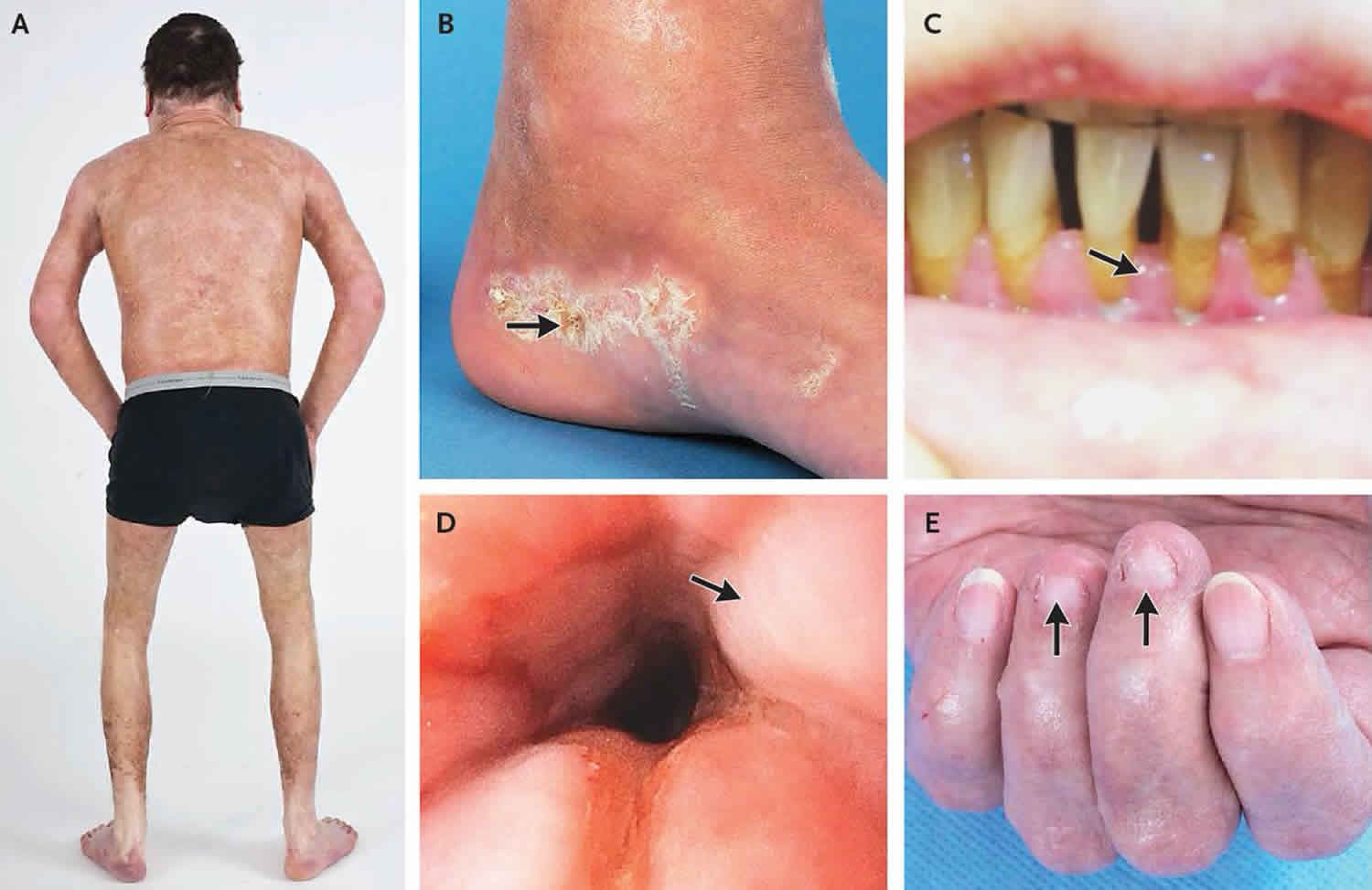
Graft Versus Host Disease Causes Signs Symptoms Diagnosis Treatment

Diagnosis And Manifestations Of Chronic Graft Versus Host Disease Semantic Scholar

Diagnosis And Manifestations Of Chronic Graft Versus Host Disease Semantic Scholar

Chronic Graft Versus Host Disease Gvhd In Children Semantic Scholar

Graft Versus Host Disease Sciencedirect

Graft Versus Host Disease Medlibes Online Medical Library Graft Versus Host Disease Stem Cell Therapy Medical Library

Clinical Pathologic Classifi Cation Of Chronic Graft Versus Host Download Scientific Diagram
Figure 1 From Graft Versus Host Disease Part I Pathogenesis And Clinical Manifestations Of Graft Versus Host Disease Semantic Scholar
Comments
Post a Comment